
Jedan od načina da ulovite više pastrmki jeste da naučite o bubama (insektima)
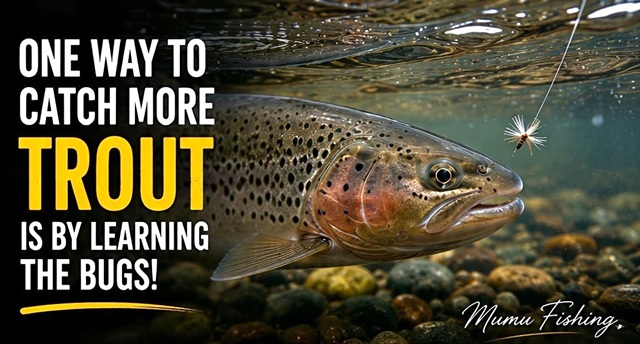
One way to catch more trout is by learning the bugs
Ne morate da pamtite svaku bubu i njihova latinska imena, ali svaki mušičar treba da zna ove 4 glavne grupe vodenih insekata:

Jednodnevke
Vitke nimfe, odrasle jedinke uspravnih krila i okosnica klasičnog ribolova suvom mušicom. Kada pastrmka agresivno raste, vodene mušice su često krivac.
Kedisi
Larve nalik crvima i odrasle jedinke sa šatorskim krilima. Kedisi mogu biti veliki izvor hrane, posebno kada ribe jure kretanje u nanosu ili reaguju na odrasle jedinke koje se kreću.
Kamenjake
Čvrste nimfe koje žive u hladnoj, čistoj, pokretnoj vodi. One su glavni obrok za pastrmku, posebno u kamenitim brzacima i bržim tokovima.
Midževi
Sitna hrana tokom cele godine. Lako ih je propustiti, ali pastrmka ih ne previđa, posebno u hladnijim mesecima i sporijim vodama.
Pastrmka će vam reći šta želi ako usporite i obratite pažnju.
——————–
Original: One way to catch more trout is by learning the bugs!
You don't need to memorize every bug and their Latin names, but every fly angler should know these 4 major aquatic insect groups:
Mayflies
Slender nymphs, upright-winged adults, and the backbone of classic dry fly fishing. When trout are rising aggressively, mayflies are often the culprit.
Caddisflies
Worm-like larvae and tent-winged adults. Caddis can be a huge food source, especially when fish are chasing movement in the drift or reacting to skittering adults.
Stoneflies
Sturdy nymphs that live in cold, clean, moving water. They're a major meal for trout, especially in rocky riffles and faster runs.
Midges
Tiny, year-round food. They're easy to miss, but trout don't overlook them, especially in colder months and slower water.
Trout will tell you what they want if you slow down and pay attention.

#MumuFishing #ontario #flylife #flyfishing #trout #troutbum #troutfishing
Sa FB profila Mumu Kitchen
Priredio Ivan Korhner
